

Campaign Case Study
This is a slightly different kind of case study. I have shared many success stories before. This one is about an unsuccessful attempt that delivered valuable insights, and those insights matter just as much.
Product Category: Health and Wellness
Daily Budget Target: $80–$100
Market Size: Large
Product Status: Completely new to the market
From the very beginning, this category forces you to face some hard realities.
Who is the actual customer for this product.
Can Facebook truly reach them effectively.
Is the local market ready for this type of product.
How serious is the risk of fake orders.
Is the customer confident enough, or still confused about whether the product will work.
Before launching anything, I planned the campaign carefully from scratch, considering all possible angles and risks.
---
Initial Test Strategy
The test run started with my strongest fundamentals.
Audience targeting
Keyword research
Competitor analysis
Everything was structured logically and data-backed. However, the first major challenge appeared immediately.
Result: Ad rejection.
Instead of stopping, I revised the approach. Content was rewritten. Targeting was adjusted. More detailed and explanatory creatives were used to improve clarity and compliance.
Outcome: Ads were approved partially, but rejection continued at a lower level.
I did not stop testing.
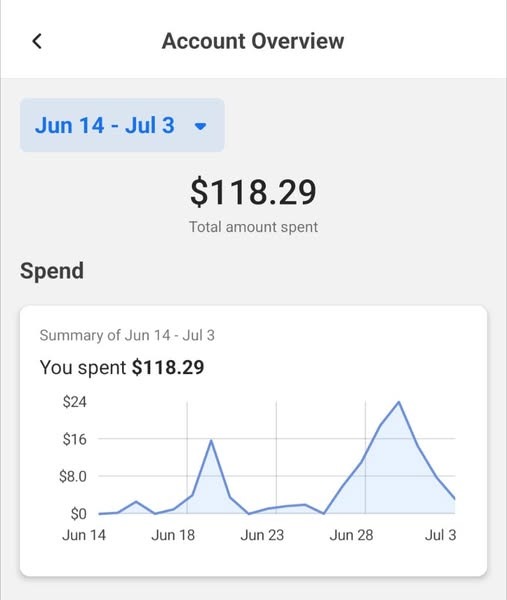
By the time the audience behavior became clear, the total spend reached approximately $118.
---
What Did the Test Budget Deliver?
A few inbound phone calls
Around 7 to 8 website orders
Upon follow-up, most customers claimed they did not intentionally place the order
Ultimate conversion: Zero.
---
Final Decision
Project termination.
It was a hard decision, but it was the correct one.
Continuing would have meant wasting budget without fixing the core problem.
---
Why Did the Campaign Fail to Convert?
Brand visibility was very low
Content lacked trust and authority
Messaging failed to create confidence
The audience existed. Interest existed. Traffic existed.
What was missing was complete trust.
In health-related products, customers need a much higher level of confidence before making a purchase. Curiosity alone is not enough.
---
Key Learnings from This Case Study
1. A new product does not mean aggressive advertising. Brand positioning must come first.
2. In the health niche, awareness alone does not convert. Authentic content, authority, and credibility are mandatory.
3. Not every campaign succeeds, but test budget is learning budget, and learning is part of long-term success.
---
Final Thought
Not every dollar brings profit.
Some dollars buy you experience, clarity, and better decision-making.
And those lessons often save much more money in the future than a single successful campaign ever could.